


Is a Home Sauna Overkill for Relaxation?
Table of Contents
- The Real Cost of Home Sauna Ownership
- Infrared Sauna Space Requirements and Room Planning
- How Often Should You Use an Infrared Sauna? Session Length and Frequency
- Infrared Sauna Downsides and Practical Limitations
- Home Sauna Maintenance and Long-Term Upkeep
- Lower-Cost Alternatives to Home Sauna Investment
- Is a Home Sauna Right for Your Lifestyle?
- Frequently Asked Questions
Last Updated: October 15, 2026
The Real Cost of Home Sauna Ownership
Is a home sauna overkill for stress? That depends on what you're willing to spend and how you'll actually use it. Many people assume they'll use a sauna daily; reality often tells a different story.
At Stack For Wellness, we help customers build recovery spaces that match their lifestyle, not their aspirations. A home sauna is a real investment: equipment costs, space requirements, electrical work, and ongoing maintenance. Before you commit, understand what ownership involves.
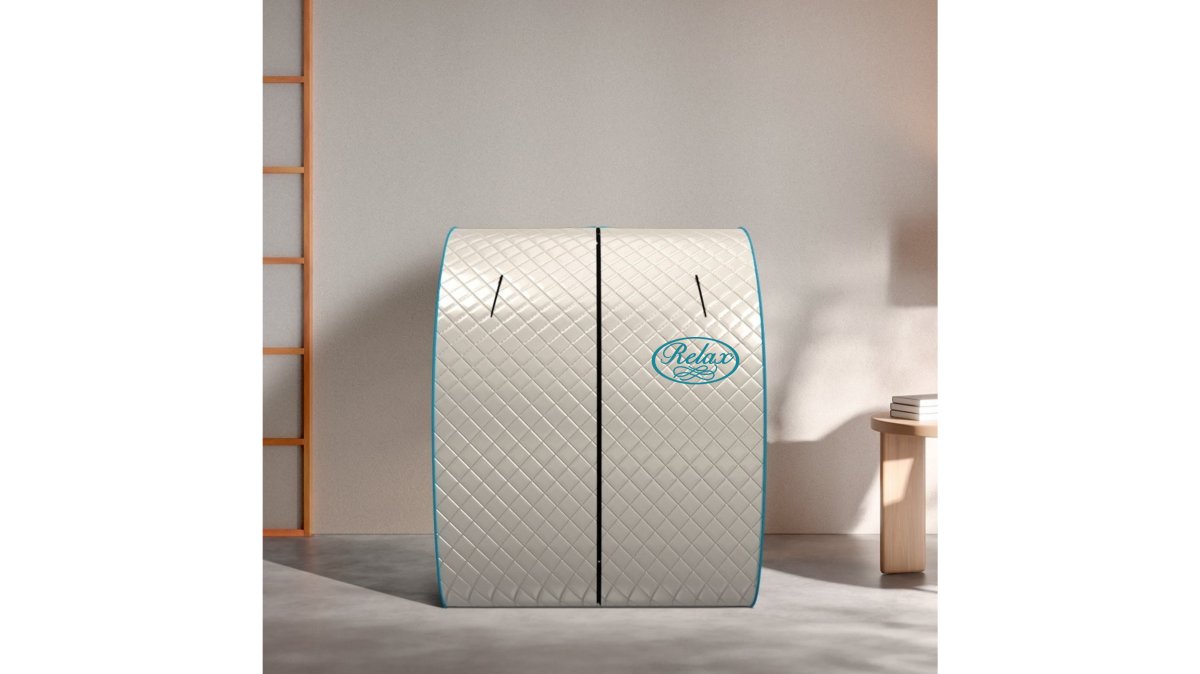
The entry point for a quality infrared sauna starts around $1,700. That's for a [portable model like the Relax Silver Elite](https://stackforwellness.com/products/silver-elite-sauna), which folds up and stores in a closet. If you want a permanent cabin installation like the 1-Person Red Cedar Far Infrared Sauna, you're at $2,289 or higher.


That's just the sauna itself. Many people who build a recovery room add a cold plunge, red light therapy panel, or massage chair. The full stack costs significantly more. The question isn't whether saunas are good for relaxation.
Infrared Sauna Space Requirements and Room Planning
A home sauna needs real estate. Even the smallest models demand dedicated space that stays clear.
The 1-Person Red Cedar Far Infrared Sauna occupies 35.5 inches square with a 72.5-inch height. That's roughly the footprint of a large closet. It fits in a bedroom corner, spare room, or home gym. No plumbing required. It plugs into a standard 120V outlet.
Portable models take up less permanent space but still need room to set up. The Relax Silver Elite is 32 inches wide by 33 inches deep by 46 inches tall assembled; it folds down for storage but needs floor space to use. The Flex Lie Down Sauna has a tent measuring 65 inches long by 26 inches wide when deployed; its mat measures 78 inches by 36 inches.

Here's what people often miss: you need clearance around the unit. Allow at least 12 to 18 inches of walking space on all sides. In a condo or apartment, check your lease, some buildings restrict heat-generating equipment or require landlord approval.
Wall clearance matters too. Don't place a sauna directly against drywall if you can avoid it, heat and humidity need somewhere to go, and proper ventilation keeps the room from becoming a sauna itself.
How Often Should You Use an Infrared Sauna? Session Length and Frequency
Most people overestimate how often they'll use a sauna.
A typical session runs 20 to 40 minutes. The 1-Person Red Cedar Far Infrared Sauna has dual LCD control panels so you can set your time before you sit down. Portable models like the Silver Elite warm up in about a minute, making shorter sessions easier to fit into a day.
The real question is frequency. Some people use a sauna several times a week; others buy one and use it monthly, or once and never again.
Consider your actual schedule. Do you have 30 to 45 minutes free most days? Portable models help: the Flex Lie Down Sauna packs into a carry bag and stores in a closet, ready to set up on a bed or the floor whenever you want.
Permanent cabins force consistency. You walk past it every day. That visual cue helps build a routine. Portable units hide away, which means they're easy to forget.
Infrared Sauna Downsides and Practical Limitations
Every sauna has trade-offs. Knowing them upfront saves regret later.
Heat sensitivity matters. Not everyone enjoys sitting in intense heat. If you overheat easily, talk to a healthcare provider before starting.
Hydration is non-negotiable. You lose water through perspiration, so drink before, during, and after every session.
Maintenance takes time. Portable saunas like the Silver Elite and Flex Lie Down need the tent wiped down and heating elements checked. Permanent cabins like the Red Cedar Far Infrared Sauna need wood care and seal maintenance.
Electricity costs add up. A sauna draws 1,400 to 1,500 watts per session. Run it three times a week for 30 minutes each, and you're using about 8.4 to 9.0 kilowatt-hours over four weeks at that rated power.
Space stays committed. Once installed, that corner or room is dedicated to the sauna, no storage, exercise equipment, or guests. Moving a permanent cabin is complicated if your living situation changes.
Home Sauna Maintenance and Long-Term Upkeep
Ownership means upkeep. The better you maintain your sauna, the longer it lasts.
Portable models are simpler. Wipe the tent after each use. The Silver Elite and Flex Lie Down both come with one-year warranties from the maker.
Permanent cabins need more attention. The 1-Person Red Cedar Far Infrared Sauna is built from Canadian western red cedar. The wood needs occasional conditioning to prevent drying or cracking.
1-Person Red Cedar Far Infrared Sauna with Bluetooth →
Most manufacturers recommend annual inspections. Check electrical connections, test the heating elements, and inspect the wood for damage. Small problems caught early cost less than major repairs.
Warranty coverage varies. The Red Cedar Far Infrared Sauna comes with manufacturer support. The portable models come with one-year coverage. After that, you're responsible for repairs.
Budget for eventual maintenance. A heating element replacement or door seal repair can cost $200 to $500. If you own the sauna for five years, assume you'll spend money on upkeep.
Lower-Cost Alternatives to Home Sauna Investment
The keyword question, is a home sauna overkill for stress, is really a value question.
| Option | Typical upfront cost | Recurring cost | Time per session | Space needed |
|---|---|---|---|---|
| Portable infrared sauna (tent) | $1,700 and up | Electricity only | 20-40 min plus setup and cool-down | Closet storage, floor space to deploy |
| Permanent infrared cabin | $2,289 and up | Electricity plus maintenance | 20-40 min | Dedicated corner or room, 12-18 in clearance |
| Sauna blanket | $200-$600 | Electricity only | 30-45 min | Bed or floor |
| Gym or fitness club with sauna | No equipment cost | Monthly membership | 20-40 min plus travel | None at home |
| Warm bath | Minimal | Water and heating | 20-30 min | Existing tub |
| Breathwork or meditation | Free | None | 5-20 min | Anywhere |
| Walking or other steady cardio | Free to low | None | 20-45 min | Anywhere |
A few things jump out of that table.
The recurring cost of ownership is genuinely small. A sauna drawing 1,400 to 1,500 watts, run three times a week for 30 minutes, uses roughly 8.4 to 9.0 kilowatt-hours over four weeks at that rated power; the cost depends on your electricity tariff.
The time cost is where ownership wins or loses. A gym sauna has no purchase price, but it adds travel, parking, locker room time, and the club's hours.
Free options aren't a downgrade, they're a different category. A warm bath, a breathwork session, a walk, or 15 minutes of quiet sitting all deliver a deliberate pause without installation, maintenance, or a dedicated corner.
One more angle: some people don't want a sauna instead of other options, but as one station in a home recovery room, sauna, cold plunge, red light panel, and a place to sit afterward. If that's the plan, the sauna isn't overkill; it's one component of a larger build, and the cost conversation changes because you're pricing a room, not a single appliance.
Is a Home Sauna Right for Your Lifestyle?
Here's the direct answer. A home sauna is overkill for stress if you're buying it as a one-time solution to a problem a free habit would solve. It is not overkill if you're buying equipment you'll use on a schedule, the same way you'd buy a treadmill or a set of dumbbells.
The difference between those two buyers isn't income. It's whether the sauna fits an existing routine or has to create one from scratch.
The three-question test
Answer these honestly. Two or more "no" answers means a home sauna is probably overkill for your situation right now.
1. Do you already have a wind-down window? Not one you wish you had, one that exists on your calendar most weeknights. A session runs 20 to 40 minutes, plus 10 to 15 minutes of cool-down and hydration. If you can't point to a reliably free 45-minute block, the sauna will sit unused. The equipment doesn't create the time; it fills time you already have.
2. Do you have a spot that stays clear? A one-person cabin like the 1-Person Red Cedar Far Infrared Sauna needs 35.5 inches square and 72.5 inches of height, plus 12 to 18 inches of walking clearance on the sides you'll use to enter and exit. A portable model like the Relax Silver Elite solves the permanent-footprint problem, it folds down and stores in a closet, but you still need floor space to deploy it and a few minutes to set up and break down each time.
3. Will you maintain it? This is the question most buyers skip. Portable tents need the interior wiped down after sessions and the heating elements checked for dust. Cedar cabins need occasional wood conditioning, panel dusting, glass wiping, and a yearly look at the electrical connections and heater function. None of that is hard, but it's recurring.
What the answer looks like in practice
If you answered yes to all three, a home sauna is a reasonable purchase and probably not overkill. You'll use it, maintain it, and the per-session cost over a few years will be modest compared to the alternatives.
If you answered no to one, consider a portable model or a gym membership instead. You'll get the same experience without committing the space or the maintenance time.
If you answered no to two or more, a home sauna is overkill for you right now, useful to know before spending $1,700 or more. A warm bath, a breathwork app, or a 20-minute walk after dinner will fit your actual life better.
The middle path most buyers miss
You don't have to choose between "buy a cabin" and "give up on saunas." A portable infrared tent at the entry price point lets you test the habit for a few months. If you use it consistently, you've confirmed the routine is real and can upgrade to a permanent cabin later with confidence. If you don't, you've learned that for a fraction of the cost, and you can fold it into a closet and move on. That's the lowest-regret way to answer the overkill question for yourself.
Frequently Asked Questions
What are the downsides of using an infrared sauna?
Infrared sauna downsides include initial cost (models range from $1,700 to $2,300), ongoing electricity use, space requirements, and maintenance of wood and components. Some users report feeling lightheaded or dehydrated if they don't stay well-hydrated before and after sessions. Regular use requires commitment; occasional use may not justify the investment. Portable models are less durable than cabin saunas if used frequently.
How much space does a home infrared sauna need?
Infrared sauna space requirements vary by model. Cabin saunas like the SalusHEAT Sublime-901BR need a 35.5-inch square footprint (roughly the size of a closet corner). Portable models like the Relax Silver Elite take up 32 inches wide by 33 inches deep and fold into a carry bag for storage. The Flex Lie Down Sauna mat measures 78 inches long by 36 inches wide; its tent measures 65 inches by 26 inches. Ensure at least a few inches of wall clearance and a standard 120-volt outlet nearby.
How often should you use an infrared sauna?
Most people use home saunas 2 to 4 times per week for sessions of 20 to 40 minutes, though infrared sauna session length depends on personal preference and comfort. Beginners often start with shorter 15-minute sessions and gradually increase duration. Consistent routine use, rather than sporadic sessions, is key to establishing a regular relaxation habit. Usage frequency should fit your schedule; if you can't commit to regular sessions, a home sauna may not be practical.
Is a home sauna overkill for an occasional relaxation routine?
A home sauna may be overkill if you use it only occasionally or have limited space and budget. Alternatives like gym or spa visits, meditation, exercise, and breathing routines cost less upfront. However, if you value convenience, prefer privacy, and will use a sauna consistently as part of your weekly routine, a home sauna becomes more practical. Consider your lifestyle, available space, and realistic commitment before investing.


